
No-Code Workflow Automation for Startups

About Course
Startups lose valuable time when people repeatedly copy information between forms, email, spreadsheets, calendars, CRM systems and finance tools. The work feels small, but the combined effect is slower customer response, inconsistent data, missed follow-ups and founders trapped in administration. This course helps you identify the right work to automate and build dependable workflows without waiting for a software-development team. You will learn the logic behind triggers, actions, conditions, data mapping, APIs and webhooks, then use accessible platforms such as Zapier, Make, n8n or comparable tools to connect startup applications. Practical projects cover lead capture, marketing, CRM updates, customer onboarding, support routing, invoices, approvals and reporting. You will also add AI for extraction, classification, summarisation and content drafting while establishing human approvals, security controls, error handling and monitoring. By the end, you will become a no-code automation builder capable of turning manual startup processes into scalable digital operations. Your portfolio will contain working integrations, workflow maps, an automation backlog, control checklists, operating documentation and a deployment roadmap. You will receive a ScaleLab Academy certificate, lifetime access, future updates and course-specific AI tools for workflow discovery, automation design, testing, troubleshooting and return-on-investment estimation.
Course Content
Section 1: Find the Best Processes to Automate
-
Recognise Automation Opportunities
-
Map Repetitive Tasks and Information Flows
-
Identify Delays, Errors and Handoffs
-
Estimate Frequency, Time and Cost
-
Assess Complexity, Risk and Data Sensitivity
-
Prioritise Quick Wins and Strategic Automations
-
Apply It: Build the Startup Automation Backlog
Section 2: Understand How No-Code Automation Works
Section 3: Design Reliable Automation Workflows
Section 4: Build Your First No-Code Automation
Section 5: Connect Startup Apps and Business Data
Section 6: Automate Marketing and Lead Management
Section 7: Automate Sales and Customer Service
Section 8: Automate Finance, Administration and Reporting
Section 9: Add AI to Automated Workflows
Section 10: Handle Errors, Security and Human Approvals
Section 11: Launch and Scale the Startup Automation System
Section 12: Capstone: Deploy an Automated Startup Operation
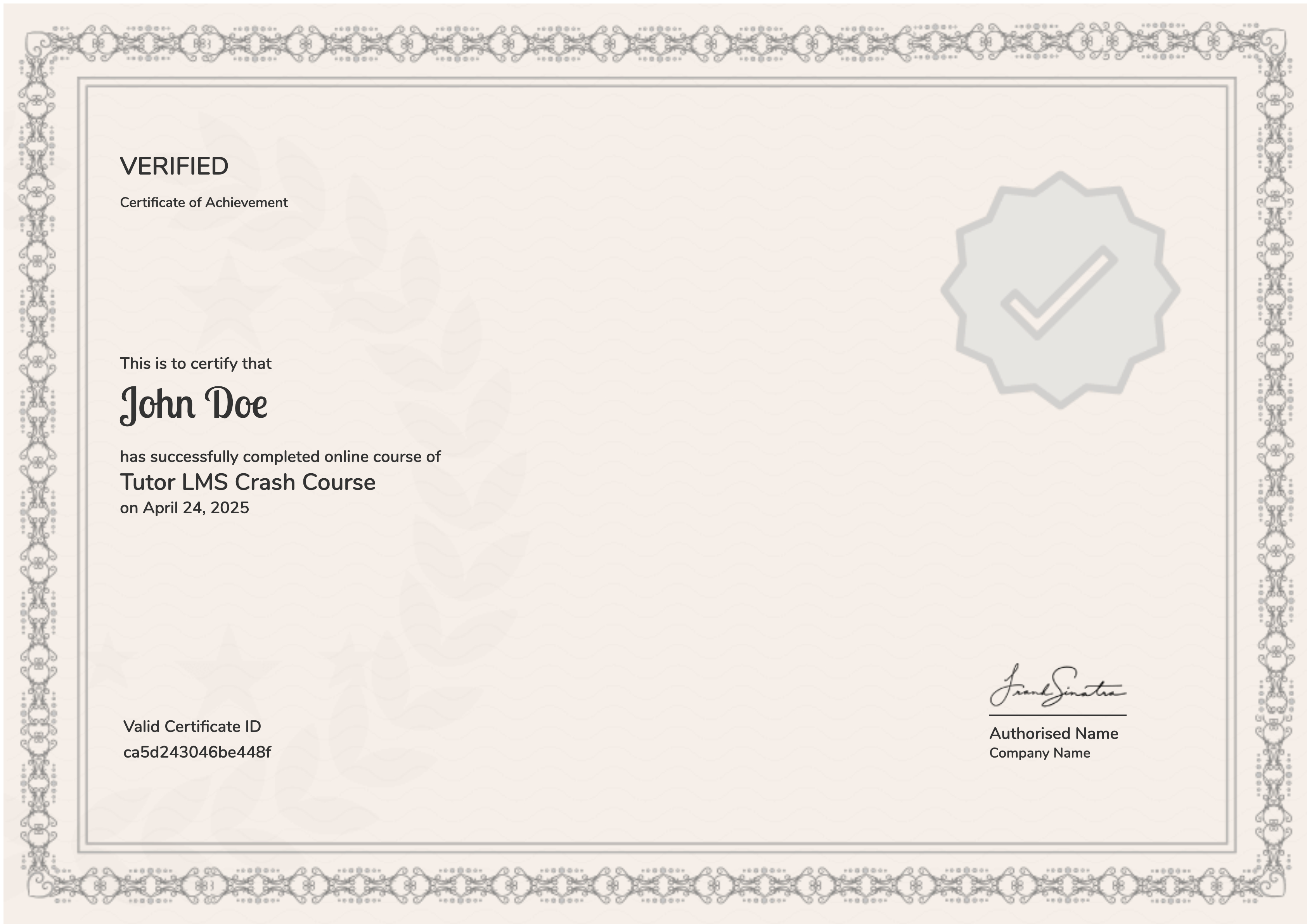
Earn a certificate
Add this certificate to your resume to demonstrate your skills & increase your chances of getting noticed.
Student Ratings & Reviews