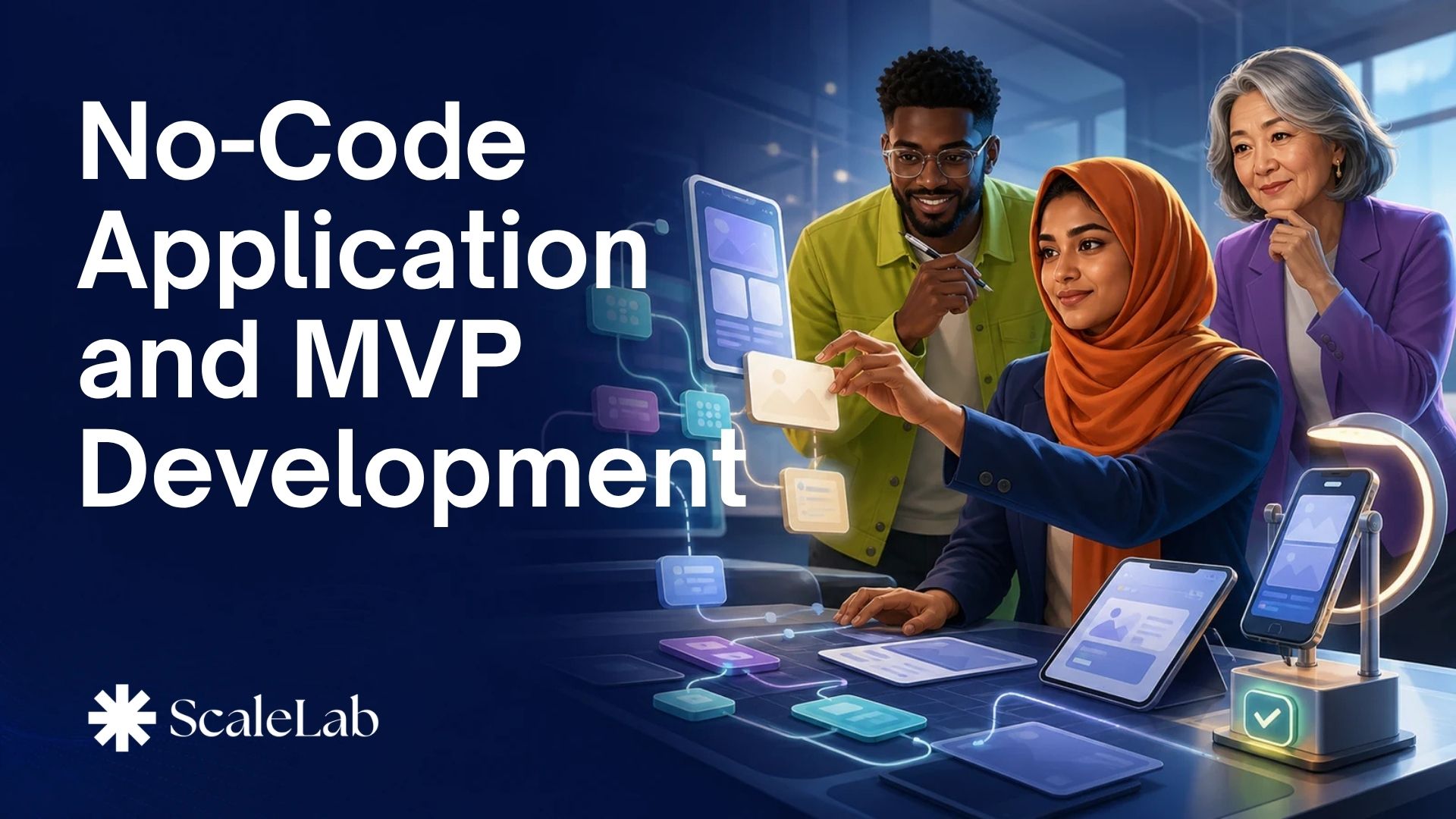
No-Code Application and MVP Development
Wishlist Share

About Course

A startup can spend months building an application before discovering that users do not need it. No-code platforms make development faster, but speed alone does not create a useful product. This course helps founders identify what an MVP must prove, choose an appropriate platform and build the smallest secure application capable of generating credible customer evidence. You will convert a business idea into an MVP hypothesis, map user journeys and control scope before selecting a no-code platform. You will design the data structure, screens, navigation, business rules and workflows that make the application useful. The course then addresses authentication, permissions, integrations, payments, AI features, testing, launch and measurement. Every section produces a usable product asset, including user stories, a platform scorecard, data model, screen map, access matrix and launch test plan. By the end, you will become a no-code product builder: able to move from an idea to a working MVP, launch it with real users and make an evidence-based decision about what happens next. You will leave with a functioning application and a 90-day product roadmap. Successful learners receive a Scalelab Academy certificate, lifetime course access, future updates and access to course-specific AI tools for requirements, data modelling, interface review, test design and product prioritisation.

Show More

What Will You Learn?

  • Define a measurable MVP hypothesis for a startup idea.
  • Map users, journeys, stories and acceptance criteria.
  • Select an appropriate no-code application platform.
  • Design a relational data structure for an MVP.
  • Create usable, responsive and accessible application screens.
  • Build application actions, rules and workflows.
  • Configure users, roles, permissions and secure access.
  • Add integrations, payments and focused AI features.
  • Test functionality, usability, security and edge cases.
  • Launch the MVP and establish feedback and support.
  • Measure activation, usage, retention and validation.
  • Decide whether to improve, scale, rebuild or retire the product.

Course Content

Section 1: Turn a Startup Idea into an MVP Hypothesis
Define what the first application must prove before building it. Learners will identify the target user, problem, expected behaviour, riskiest assumptions and measurable validation criteria, then create a concise MVP hypothesis.

  • Define the target user and urgent problem
  • Describe the desired user and business outcome
  • Identify the riskiest product assumptions
  • Separate solution ideas from evidence
  • Set measurable MVP validation criteria
  • Create a one-page MVP hypothesis

Section 2: Define Users, Journeys and MVP Scope
Translate the product idea into clear application requirements. Learners will create user profiles, map essential journeys, write user stories, define acceptance criteria and separate must-have functionality from features that can wait.

Section 3: Choose the Right No-Code Platform
Select a platform based on the application rather than marketing claims. Learners will compare web and mobile support, data, workflows, integrations, authentication, design flexibility, pricing, ownership, scalability and platform dependence using a decision matrix.

Section 4: Design the Application’s Data Structure
Build a reliable foundation for the application. Learners will define tables, fields, records, relationships, statuses and unique identifiers; avoid duplicated or inconsistent information; and create a data model supporting the MVP's screens and workflows.

Section 5: Create the User Interface and Experience
Turn user journeys into usable screens. Learners will develop navigation, forms, lists, dashboards, detail views and responsive layouts; apply accessibility and usability principles; and create a consistent interface without overdesigning the first release.

Section 6: Build Application Logic and Workflows
Make the application respond to users and business rules. Learners will configure actions, conditions, calculations, validation, notifications, schedules and status changes while keeping application logic understandable and testable.

Section 7: Manage Users, Roles and Application Security
Control who can enter the application and what they can see or change. Learners will configure authentication, user profiles, roles, row-level access, administrative permissions, sensitive fields and secure file handling, then create an access-control matrix.

Section 8: Add Integrations, Payments and AI Features
Extend the MVP without rebuilding everything. Learners will connect external applications, APIs and webhooks; add payment or subscription processes where relevant; and introduce AI-assisted features only when they support a clear outcome and can be monitored safely.

Section 9: Test, Launch and Measure the MVP
Prepare the application for real users. Learners will create functional, usability, security and edge-case tests; collect pilot feedback; fix critical defects; publish the application; establish support channels; and track meaningful product indicators.

Section 10: Improve, Scale or Retire the Product
Use MVP evidence to determine what happens next. Learners will analyse behaviour and feedback, prioritise improvements, manage platform costs and limitations, address technical debt, document the application and decide whether to iterate, scale, rebuild or stop.

Student Ratings & Reviews

No Review Yet
No Review Yet

Want to receive push notifications for all major on-site activities?